
Keyword
LAI
92 record(s)
Type of resources
Available actions
Topics
Keywords
Contact for the resource
Provided by
Years
Formats
Representation types
Update frequencies
Status
Scale
-
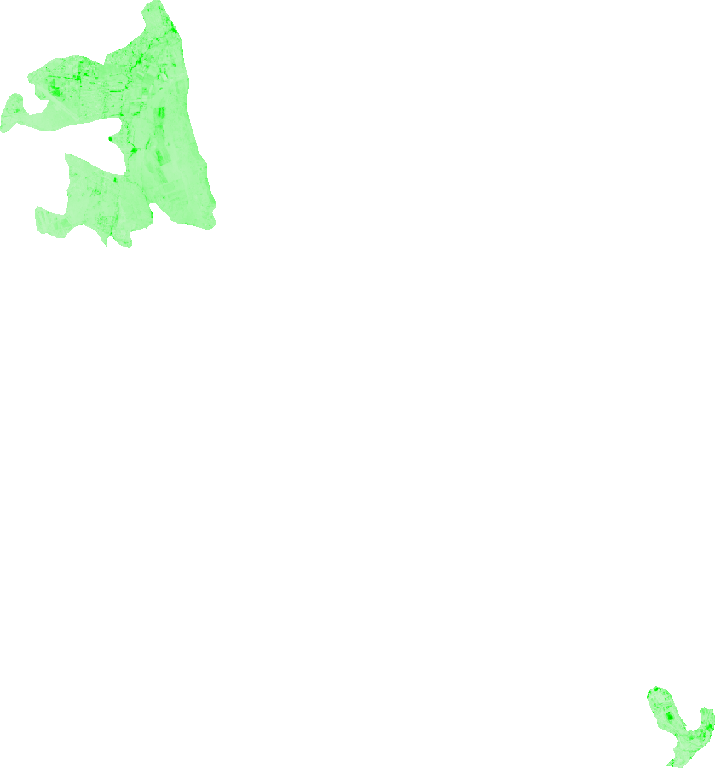
Lai: LAI is defined as half the developed area of photosynthetically active elements of the vegetation per unit horizontal ground area. It determines the size of the interface for exchange of energy (including radiation) and mass between the canopy and the atmosphere. This is an intrinsic canopy primary variable that should not depend on observation conditions. LAI is strongly non linearly related to reflectance. Therefore, its estimation from remote sensing observations will be strongly scale dependent (Garrigues et al. 2006a; Weiss et al. 2000). Note that vegetation LAI as estimated from remote sensing will include all the green contributors, i.e. including understory when existing under forests canopies.
-

LAI is defined as half the developed area of photosynthetically active elements of the vegetation per unit horizontal ground area. It determines the size of the interface for exchange of energy (including radiation) and mass between the canopy and the atmosphere. This is an intrinsic canopy primary variable that should not depend on observation conditions. LAI is strongly non linearly related to reflectance. Therefore its estimation from remote sensing observations will be strongly scale dependent (Garrigues et al. 2006a Weiss et al. 2000). Note that vegetation LAI as estimated from remote sensing will include all the green contributors i.e. including understory when existing under forests canopies.
-

LAI is defined as half the developed area of photosynthetically active elements of the vegetation per unit horizontal ground area. It determines the size of the interface for exchange of energy (including radiation) and mass between the canopy and the atmosphere. This is an intrinsic canopy primary variable that should not depend on observation conditions. LAI is strongly non linearly related to reflectance. Therefore its estimation from remote sensing observations will be strongly scale dependent (Garrigues et al. 2006a Weiss et al. 2000). Note that vegetation LAI as estimated from remote sensing will include all the green contributors i.e. including understory when existing under forests canopies.
-

LAI is defined as half the developed area of photosynthetically active elements of the vegetation per unit horizontal ground area. It determines the size of the interface for exchange of energy (including radiation) and mass between the canopy and the atmosphere. This is an intrinsic canopy primary variable that should not depend on observation conditions. LAI is strongly non linearly related to reflectance. Therefore its estimation from remote sensing observations will be strongly scale dependent (Garrigues et al. 2006a Weiss et al. 2000). Note that vegetation LAI as estimated from remote sensing will include all the green contributors i.e. including understory when existing under forests canopies.
-

LAI is defined as half the developed area of photosynthetically active elements of the vegetation per unit horizontal ground area. It determines the size of the interface for exchange of energy (including radiation) and mass between the canopy and the atmosphere. This is an intrinsic canopy primary variable that should not depend on observation conditions. LAI is strongly non linearly related to reflectance. Therefore its estimation from remote sensing observations will be strongly scale dependent (Garrigues et al. 2006a Weiss et al. 2000). Note that vegetation LAI as estimated from remote sensing will include all the green contributors i.e. including understory when existing under forests canopies.
-

LAI is defined as half the developed area of photosynthetically active elements of the vegetation per unit horizontal ground area. It determines the size of the interface for exchange of energy (including radiation) and mass between the canopy and the atmosphere. This is an intrinsic canopy primary variable that should not depend on observation conditions. LAI is strongly non linearly related to reflectance. Therefore its estimation from remote sensing observations will be strongly scale dependent (Garrigues et al. 2006a Weiss et al. 2000). Note that vegetation LAI as estimated from remote sensing will include all the green contributors i.e. including understory when existing under forests canopies.
-

LAI is defined as half the developed area of photosynthetically active elements of the vegetation per unit horizontal ground area. It determines the size of the interface for exchange of energy (including radiation) and mass between the canopy and the atmosphere. This is an intrinsic canopy primary variable that should not depend on observation conditions. LAI is strongly non linearly related to reflectance. Therefore its estimation from remote sensing observations will be strongly scale dependent (Garrigues et al. 2006a Weiss et al. 2000). Note that vegetation LAI as estimated from remote sensing will include all the green contributors i.e. including understory when existing under forests canopies.
-

LAI is defined as half the developed area of photosynthetically active elements of the vegetation per unit horizontal ground area. It determines the size of the interface for exchange of energy (including radiation) and mass between the canopy and the atmosphere. This is an intrinsic canopy primary variable that should not depend on observation conditions. LAI is strongly non linearly related to reflectance. Therefore its estimation from remote sensing observations will be strongly scale dependent (Garrigues et al. 2006a Weiss et al. 2000). Note that vegetation LAI as estimated from remote sensing will include all the green contributors i.e. including understory when existing under forests canopies.
-

LAI is defined as half the developed area of photosynthetically active elements of the vegetation per unit horizontal ground area. It determines the size of the interface for exchange of energy (including radiation) and mass between the canopy and the atmosphere. This is an intrinsic canopy primary variable that should not depend on observation conditions. LAI is strongly non linearly related to reflectance. Therefore its estimation from remote sensing observations will be strongly scale dependent (Garrigues et al. 2006a Weiss et al. 2000). Note that vegetation LAI as estimated from remote sensing will include all the green contributors i.e. including understory when existing under forests canopies.
-

LAI is defined as half the developed area of photosynthetically active elements of the vegetation per unit horizontal ground area. It determines the size of the interface for exchange of energy (including radiation) and mass between the canopy and the atmosphere. This is an intrinsic canopy primary variable that should not depend on observation conditions. LAI is strongly non linearly related to reflectance. Therefore its estimation from remote sensing observations will be strongly scale dependent (Garrigues et al. 2006a Weiss et al. 2000). Note that vegetation LAI as estimated from remote sensing will include all the green contributors i.e. including understory when existing under forests canopies.